

You’ve probably already run ads on Google, Facebook, or other platforms, but are you strategically placing your media where your audience actually engages? Many marketers miss the difference between simply buying ads and executing intentional media placement that maximizes reach and ROI. In this guide, we’ll explain what media placement really means, how to choose the right channels, and the exact process for placing your media strategically to drive better campaign results.
Key Takeaways
- Media placement is the strategic process of securing advertising space across channels to reach target audiences effectively.
- Successful media placement requires understanding audience demographics, channel characteristics, and campaign objectives.
- Digital media placement offers precise targeting, real-time optimization, and measurable ROI compared to traditional channels.
- Programmatic advertising automates media buying through AI-driven platforms, increasing efficiency and scale.
- Key metrics for measuring placement success include impressions, CTR, conversion rate, and cost per acquisition.
- Strategic placement across multiple channels typically outperforms single-channel approaches.
- Continuous testing and optimization are essential for maximizing media placement ROI.
What Is Media Placement?
Media placement is the strategic process of securing advertising space or time across various media channels to deliver messages to target audiences. This practice involves identifying the right platforms, negotiating terms, scheduling content, and ensuring your ads appear in contexts that maximize engagement and conversion potential.
For example, a fitness brand might place ads on health and wellness websites, fitness-focused Instagram accounts, and during workout podcast episodes to reach their ideal customers where they’re already engaged with relevant content.
Media Placement vs. Media Buying
Let’s explore the distinction between these related concepts. Media placement refers to the broader strategic decision-making about where and when your content appears. Media buying, on the other hand, is the transactional process of actually purchasing that ad space.
Think of it this way: placement is the strategy (which channels, which times, which audiences), while buying is the execution (negotiating rates, securing inventory, finalizing contracts). Both are essential components of successful advertising campaigns.
The Role of Media Planning
Media planning precedes placement and involves researching audiences, setting campaign objectives, determining budgets, and selecting the optimal media mix. For more details on developing comprehensive strategies, read our guide on media planning guide.
Effective planning ensures your placement decisions are data-driven rather than guesswork, significantly improving campaign performance and ROI.
Why Media Placement Matters for Marketing Success?
Strategic media placement matters because it directly impacts whether your message reaches the right people at the right time and in the right context. Poor placement wastes budget on irrelevant audiences, while strategic placement maximizes every advertising dollar.
Reach Your Target Audience Effectively
First, proper placement ensures your ads appear where your ideal customers actually spend their time. A B2B software company advertising during prime-time TV might reach millions, but only a tiny fraction would be decision-makers. The same budget placed on LinkedIn or industry publications reaches far fewer people but generates more qualified leads.
For example, Slack initially focused their advertising on tech blogs and productivity communities where their target audience of knowledge workers and IT managers already congregated, rather than broad mainstream channels.
Maximize Return on Investment
Second, strategic placement improves ROI by reducing wasted impressions and increasing conversion rates. When your ads appear in relevant contexts, users are more likely to engage and take action.
According to industry benchmarks, well-targeted media placement can improve conversion rates by 40-60% compared to untargeted broad placement.
Build Brand Credibility Through Association
Third, where you place your media affects how audiences perceive your brand. Ads appearing alongside reputable content and trusted publishers transfer some of that credibility to your brand.
For instance, a financial services company advertising in The Wall Street Journal or on Bloomberg gains implicit credibility from the association with established, trustworthy financial news sources.
Optimize Campaign Performance
Finally, strategic placement enables continuous optimization based on performance data. By tracking which placements perform best, you can reallocate budget to high-performing channels and improve results over time.
This data-driven approach is far superior to static, set-and-forget placement strategies that don’t adapt to changing audience behaviors or market conditions.
What Are the Different Types of Media Placement Channels?
Media placement channels fall into three main categories: traditional media, digital media, and emerging channels. Each offers unique advantages depending on your audience, budget, and campaign objectives.
Traditional Media Channels
Traditional channels include television, radio, print publications, and outdoor advertising. These remain relevant for certain audiences and campaign types.
Television offers massive reach and high production value but requires significant budgets and provides limited targeting precision. For example, a national CPG brand might use TV during popular shows to reach broad consumer audiences.
Radio provides local targeting and frequency at lower costs than TV, making it suitable for regional businesses or repeated messaging campaigns.
Print media (newspapers, magazines) offers credibility and engaged readerships, particularly effective for older demographics and niche interests.
Outdoor advertising (billboards, transit ads) provides constant visibility in specific geographic locations, ideal for local businesses or brand awareness campaigns.
Digital Media Channels
Digital channels dominate modern media placement due to precise targeting, measurable results, and flexible budgets.
Display advertising includes banner ads, rich media, and native advertising on websites and apps. You can target by demographics, interests, behaviors, and even retarget previous visitors.
Social media advertising (Facebook, Instagram, LinkedIn, TikTok, Twitter/X) offers sophisticated audience targeting based on detailed user data. Each platform serves different demographics and use cases – LinkedIn for B2B, Instagram for visual consumer brands, TikTok for younger audiences.
Search engine marketing (Google Ads, Bing Ads) places ads alongside search results, capturing users actively looking for solutions. This intent-based placement typically generates higher conversion rates.
Video advertising on platforms like YouTube, streaming services, and connected TV combines the engagement of video with digital targeting capabilities.
Email marketing placements in newsletters and sponsored emails reach engaged, opted-in audiences with high relevance.
Emerging and Alternative Channels
New channels continuously emerge as media consumption evolves.
Podcast advertising offers engaged, niche audiences with high trust in hosts. Ads read by hosts themselves perform particularly well due to the personal endorsement effect.
Streaming audio (Spotify, Pandora, Apple Music) provides targeted audio advertising as traditional radio listening declines.
Connected TV and streaming video (Roku, Hulu, Netflix ads) combine TV’s engagement with digital targeting and measurement.
Digital out-of-home (DOOH) modernizes traditional outdoor advertising with dynamic, data-driven content and better measurement.
Influencer partnerships place your message within trusted creator content, leveraging their established audience relationships.
Choosing the Right Channel Mix
The optimal channel mix depends on your specific audience, objectives, and budget. Most successful campaigns use multiple complementary channels rather than relying on a single platform.
How Do You Plan an Effective Media Placement Strategy?
Planning an effective media placement strategy involves a systematic process from audience research through execution and optimization. Let’s walk through each step.
Step 1: Define Campaign Objectives
First, clearly articulate what you want to achieve. Objectives might include brand awareness, lead generation, direct sales, app installs, or event registrations.
Your objectives determine which metrics matter most and which channels align with your goals. Awareness campaigns prioritize reach and impressions, while conversion campaigns focus on clicks and sales.
Step 2: Research and Understand Your Target Audience
Second, develop detailed audience profiles including demographics, psychographics, behaviors, and media consumption habits.
For example, if you’re targeting millennial parents interested in eco-friendly products, research shows they spend significant time on Instagram and Pinterest, listen to parenting podcasts, and read specific blogs and online communities.
Use tools like audience insights platforms, customer surveys, and analytics data to build accurate profiles. The more precisely you understand your audience, the better your placement decisions.
Step 3: Analyze Channel Options and Costs
Third, evaluate which channels your audience uses and what placement costs look like. Consider both reach and cost-efficiency.
Create a comparison table like this:
| Channel | Audience Match | Cost (CPM) | Strengths | Limitations |
| Facebook Ads | High | $8-15 | Precise targeting, scalable | Ad fatigue, privacy changes |
| Google Search | High | $2-50+ | High intent, measurable | Competitive, limited reach |
| Podcast Ads | Medium | $20-50 | Engaged audience, trust | Harder to measure, production costs |
| LinkedIn Ads | High (B2B) | $50-100+ | Professional targeting | Expensive, lower engagement |
| Display Network | Medium | $3-10 | Broad reach, retargeting | Lower engagement, banner blindness |
This framework helps you compare options objectively rather than guessing.
Step 4: Allocate Budget Across Channels
Fourth, distribute your budget based on audience match, channel costs, and campaign objectives. A common approach is the 70-20-10 rule: 70% on proven channels, 20% on emerging opportunities, and 10% on experimental tests.
For example, with a $10,000 monthly budget, you might allocate $7,000 to your best-performing channels (Google and Facebook), $2,000 to testing new channels (LinkedIn or podcasts), and $1,000 to experimental placements (emerging platforms or formats).
Step 5: Develop Creative Assets for Each Channel
Fifth, create channel-specific creative assets optimized for each placement environment. What works on Instagram won’t necessarily work on LinkedIn or in email newsletters.
For instance, Instagram ads perform best with eye-catching visuals and minimal text, while LinkedIn ads benefit from professional imagery and value proposition-focused copy.
Ensure your creative maintains brand consistency while adapting to each channel’s unique format and audience expectations.
Step 6: Set Up Tracking and Measurement
Sixth, implement proper tracking before launching placements. Set up conversion pixels, UTM parameters, and analytics dashboards to measure performance accurately.
Without proper tracking, you can’t optimize or prove ROI.
Step 7: Launch, Monitor, and Optimize
Finally, launch your placements and monitor performance closely, especially in the first days and weeks. Be prepared to reallocate budget from underperforming placements to winners.
Optimization is ongoing, not a one-time task. Weekly reviews and adjustments typically yield the best results.
What Is Programmatic Media Placement and Should You Use It?
Programmatic media placement uses automated technology and AI algorithms to buy and place ads in real-time based on audience data and bidding systems. This approach has transformed digital advertising, now accounting for over 88% of all digital display ad spending in the United States.
How Programmatic Advertising Works
Programmatic platforms connect advertisers with publishers through automated auctions happening in milliseconds. When a user visits a webpage, their data is evaluated, and advertisers bid for the opportunity to show ads to that specific person.
The highest bidder wins the impression, and their ad loads instantly – all before the page finishes loading. This happens billions of times daily across the internet.
Types of Programmatic Buying
Let’s explore the main programmatic buying models:
Real-Time Bidding (RTB) auctions inventory in real-time for each impression. This offers maximum flexibility and efficiency but less control over specific placements.
Private Marketplaces (PMPs) provide access to premium inventory through invitation-only auctions. You get better quality placements than open RTB while maintaining programmatic efficiency.
Programmatic Guaranteed deals reserve specific inventory at fixed prices through automated systems. This combines programmatic convenience with traditional direct-buy certainty.
Preferred Deals give you first-look access to inventory at fixed prices before it enters open auctions.
Benefits of Programmatic Media Placement
Programmatic offers several advantages over traditional manual buying:
First, efficiency and scale – you can access millions of placements across thousands of sites through a single platform, impossible with manual negotiations.
Second, precision targeting – AI algorithms analyze vast data sets to find your ideal audience across the web, far beyond what manual research could identify.
Third, real-time optimization – campaigns automatically adjust bids and targeting based on performance, improving results continuously without manual intervention.
Fourth, transparency and measurement – detailed reporting shows exactly where ads ran, who saw them, and what actions they took.
Potential Drawbacks to Consider
However, programmatic isn’t perfect for every situation.
Brand safety concerns arise when ads appear alongside inappropriate content. Use whitelists, blacklists, and brand safety tools to mitigate this risk.
Ad fraud remains an issue in programmatic ecosystems. Work with reputable platforms and implement fraud detection measures.
Complexity can overwhelm beginners. Programmatic platforms have steep learning curves and often require specialized expertise or agency partnerships.
Less control over specific placements compared to direct buying, which matters for certain brand-sensitive campaigns.
Should You Use Programmatic Placement?
For most digital advertising campaigns, especially those focused on performance and scale, programmatic placement makes sense. Start with managed platforms like Google Display Network or Facebook Ads, which offer programmatic capabilities with user-friendly interfaces.
As you scale and need more sophistication, consider dedicated DSPs (Demand-Side Platforms) like The Trade Desk, MediaMath, or Amazon DSP.
Which Tools and Platforms Are Best for Media Placement?
The right tools make media placement more efficient, measurable, and effective. Let’s review essential platform categories and specific recommendations.
Demand-Side Platforms (DSPs)
DSPs enable programmatic buying across multiple ad exchanges and publishers from a single interface.
The Trade Desk offers enterprise-grade programmatic buying with advanced targeting and transparency. Ideal for larger budgets and sophisticated campaigns.
Google Display & Video 360 integrates with Google’s ecosystem, providing access to YouTube, Gmail, and millions of sites through Google Ad Exchange.
Amazon DSP leverages Amazon’s first-party shopping data for targeting, particularly valuable for e-commerce brands.
MediaMath provides AI-driven optimization and cross-channel campaign management.
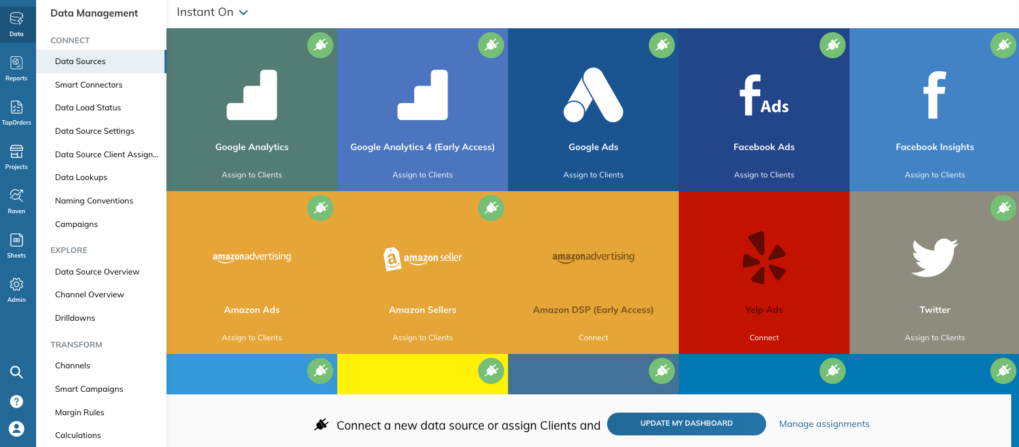
Social Media Advertising Platforms
Each major social network offers its own advertising platform:
Meta Ads Manager (Facebook and Instagram) provides detailed demographic and interest targeting with massive reach.
LinkedIn Campaign Manager specializes in B2B targeting by job title, company, industry, and professional attributes.
TikTok Ads Manager reaches younger audiences with engaging short-form video formats.
Pinterest Ads works well for visual products and planning-stage purchases.
Twitter/X Ads enables real-time engagement and conversation-based advertising.
Search and Display Advertising
Google Ads dominates search advertising and offers extensive display network reach. Essential for most digital campaigns.
Microsoft Advertising (Bing Ads) reaches different demographics at often lower costs than Google.
Analytics and Measurement Tools
Google Analytics 4 provides free, comprehensive website and app analytics essential for measuring placement performance.
Adobe Analytics offers enterprise-level analytics with advanced segmentation and attribution modeling.
Tableau and Looker Studio create custom dashboards visualizing placement performance across channels.
Attribution platforms like AppsFlyer, Branch, or Rockerbox track cross-channel customer journeys and attribute conversions accurately.
Ad Management and Optimization
SEMrush and SpyFu help research competitor ad strategies and placement decisions.
Optimizely and VWO enable A/B testing of landing pages and ad creative to improve placement performance.
AdEspresso and Revealbot automate and optimize social media ad campaigns.
Free and Accessible Alternatives
Not every tool requires enterprise budgets. Several free options provide significant value:
Google Analytics offers robust tracking at no cost.
Facebook Ads Manager includes detailed analytics free with ad spending.
Google Data Studio (now Looker Studio) creates custom dashboards from multiple data sources.
Ubersuggest and Google Keyword Planner help research placement opportunities without paid tools.
The key is starting with free tools, proving value, then investing in premium platforms as your needs grow.
How Do You Measure Media Placement Performance and ROI?
Measuring media placement performance requires tracking the right metrics aligned with your campaign objectives. Different goals demand different measurement approaches.
Key Performance Metrics by Objective
For Awareness Campaigns:
- Impressions – Total number of times your ad was displayed
- Reach – Number of unique people who saw your ad
- Frequency – Average number of times each person saw your ad
- Brand lift – Measured through surveys tracking awareness changes
For Engagement Campaigns:
- Click-through rate (CTR) – Percentage of impressions resulting in clicks
- Engagement rate – Likes, shares, comments, or other interactions
- Video completion rate – Percentage of viewers watching your entire video ad
- Time on site – How long visitors from placements stay on your website
For Conversion Campaigns:
- Conversion rate – Percentage of clicks resulting in desired actions
- Cost per acquisition (CPA) – Total spend divided by conversions
- Return on ad spend (ROAS) – Revenue generated per dollar spent
- Customer lifetime value (CLV) – Long-term value of acquired customers
Setting Up Proper Tracking
First, implement conversion tracking pixels on your website or app. Facebook Pixel, Google Ads conversion tracking, and LinkedIn Insight Tag capture actions from each platform’s placements.
Second, use UTM parameters on all ad URLs to track traffic sources in analytics platforms. This shows which specific placements drive results.
Third, set up goals and funnels in Google Analytics to track user journeys from placement to conversion.
Calculating Media Placement ROI
The basic ROI formula is straightforward:
ROI = (Revenue from placements – Cost of placements) / Cost of placements × 100
For example, if you spent $5,000 on media placements generating $20,000 in revenue:
ROI = ($20,000 – $5,000) / $5,000 × 100 = 300%
However, attribution complexity often requires more sophisticated models. Multi-touch attribution credits multiple placements along the customer journey rather than giving all credit to the last click.
Benchmarking Performance
Compare your metrics against industry benchmarks to gauge performance:
- Average display ad CTR: 0.46% – Source: WordStream, 2025
- Average Facebook Ads CTR: 0.90% across all industries – Source: WordStream, 2025
- Average Google Search Ads CTR: 3.17% – Source: WordStream, 2025
- Average email marketing CTR: 2.62% – Source: Campaign Monitor, 2025
Your specific benchmarks vary by industry, audience, and campaign type, so establish your own baselines and improve from there.
Reporting and Optimization
Create regular reports (weekly for active campaigns, monthly for overall performance) showing:
- Spend by channel and placement
- Key metrics against targets
- Top and bottom performing placements
- Optimization recommendations and actions taken
Use these reports to make data-driven decisions about budget reallocation and strategy adjustments.
What Are the Best Practices for Optimizing Media Placement?
Optimizing media placement is an ongoing process that separates successful campaigns from mediocre ones. Implement these best practices to continuously improve performance.
Test Multiple Placements Simultaneously
First, never rely on single placements. Run A/B tests across different channels, formats, and creative variations to identify winners.
For example, test the same message on Facebook, Instagram, and LinkedIn simultaneously with equal budgets. After two weeks, shift more budget to the best performer while continuing to test new options.
Monitor Frequency and Avoid Ad Fatigue
Second, track how often the same people see your ads. Excessive frequency causes ad fatigue, decreasing engagement and wasting budget.
As a general rule, frequency above 3-4 impressions per week per user indicates diminishing returns. Use frequency capping to limit exposures and rotate creative regularly.
Optimize for Mobile First
Third, recognize that most media consumption happens on mobile devices. Ensure your placements and creative are mobile-optimized.
Vertical video formats, fast-loading landing pages, and mobile-friendly CTAs significantly improve mobile placement performance. Over 60% of digital media time now occurs on mobile devices.
Leverage Retargeting Strategically
Fourth, implement retargeting campaigns for users who previously engaged with your brand. Retargeted visitors are 70% more likely to convert than cold traffic.
Segment retargeting audiences by behavior (cart abandoners, product viewers, blog readers) and tailor messages accordingly.
Use Dayparting and Scheduling
Fifth, analyze when your audience is most active and responsive. Schedule ads to run during high-performing time periods and pause during low-engagement windows.
For B2B audiences, weekday business hours typically outperform weekends. For consumer brands, evenings and weekends often perform better.
Implement Audience Exclusions
Sixth, exclude audiences unlikely to convert. Past purchasers, irrelevant demographics, or low-quality traffic sources waste budget.
Regularly review placement reports and blacklist underperforming sites, apps, or audience segments.
Align Creative with Placement Context
Seventh, ensure your ad creative matches the placement environment and audience mindset. LinkedIn users expect professional, value-driven content. Instagram users respond to visually compelling, authentic creative.
Contextual alignment improves engagement and reduces bounce rates from mismatched expectations.
Review and Reallocate Budget Regularly
Finally, make budget reallocation a weekly habit. Move spend from underperforming placements to winners, and continuously test new options with a portion of budget.
Static budgets in dynamic markets guarantee suboptimal performance. Agility and data-driven decisions drive continuous improvement.
What Common Media Placement Mistakes Should You Avoid?
Even experienced marketers make placement mistakes that waste budget and limit results. Avoid these common pitfalls.
Mistake 1: Placing Ads Without Clear Objectives
First, never place media without defined goals. “Getting more exposure” isn’t specific enough to guide placement decisions or measure success.
Define specific, measurable objectives before selecting channels or creating creative. This clarity informs every subsequent decision.
Mistake 2: Ignoring Audience Research
Second, don’t assume you know where your audience spends time. Research actual media consumption habits rather than guessing.
A B2B company might assume LinkedIn is best, but their audience might actually engage more with industry newsletters or podcasts. Validate assumptions with data.
Mistake 3: Spreading Budget Too Thin
Third, avoid dividing budgets across too many channels. $1,000 spread across 10 channels ($100 each) won’t generate meaningful data or results anywhere.
Concentrate budgets on fewer channels to reach statistical significance and learn what works. Expand only after proving success.
Mistake 4: Neglecting Landing Page Experience
Fourth, don’t send traffic to generic homepages or poorly optimized landing pages. Even perfect placement fails if the destination doesn’t convert.
Ensure landing pages match ad messaging, load quickly, and have clear CTAs. For optimization tips, check our ad budget optimization tips.
Mistake 5: Not Tracking Properly
Fifth, launching placements without tracking is flying blind. You can’t optimize what you don’t measure.
Implement conversion tracking, UTM parameters, and analytics before spending a dollar on placements.
Mistake 6: Giving Up Too Quickly
Sixth, don’t abandon placements prematurely. Most campaigns need 2-4 weeks to generate sufficient data for informed decisions.
Early fluctuations are normal. Wait for statistical significance before making major changes.
Mistake 7: Ignoring Brand Safety
Seventh, failing to monitor where ads appear risks brand damage. Programmatic placements can appear alongside inappropriate content without safeguards.
Use brand safety tools, blacklists, and regular placement audits to protect your brand reputation.
Mistake 8: Not Testing Creative Variations
Finally, running single creative variations limits learning and performance. Different messages, formats, and visuals resonate differently across placements.
Test multiple creative variations systematically to identify top performers and improve results.
What’s Next: The Future of Media Placement in Digital Marketing
Media placement continues evolving rapidly as technology, consumer behavior, and privacy regulations reshape the landscape. Understanding emerging trends prepares you for future success.
Privacy-First Targeting
First, privacy changes like Apple’s App Tracking Transparency and Google’s cookie deprecation are transforming targeting capabilities. Contextual targeting and first-party data strategies are becoming essential.
Invest in building direct audience relationships through email lists, loyalty programs, and owned channels. These first-party data assets provide targeting capabilities independent of third-party cookies.
AI and Machine Learning Advancement
Second, AI-driven placement optimization will become more sophisticated. Predictive algorithms will increasingly automate placement decisions, bidding strategies, and creative optimization.
Platforms like Google’s Performance Max and Meta’s Advantage+ already demonstrate AI’s potential to outperform manual optimization in many scenarios.
Connected TV and Streaming Growth
Third, connected TV and streaming video advertising will continue rapid growth as traditional TV viewing declines. These formats combine TV’s engagement with digital targeting and measurement.
Expect more budget shifting from traditional TV to CTV and streaming platforms over the next 3-5 years.
Retail Media Networks
Fourth, retail media networks (Amazon Ads, Walmart Connect, Target Roundel) offer access to valuable purchase data and high-intent shoppers. These networks are growing faster than traditional digital advertising.
E-commerce brands should prioritize retail media placements alongside traditional digital channels.
Audio Advertising Expansion
Fifth, podcast and streaming audio advertising will expand as audio consumption grows. These formats offer engaged audiences and lower competition than saturated visual channels.
Consider testing audio placements if your audience consumes podcasts or streaming music.
Taking Action on Your Media Placement Strategy
Now that you understand media placement fundamentals, it’s time to apply this knowledge. Start by auditing your current placements against the best practices outlined here.
Identify one or two optimization opportunities you can implement this week – whether that’s improving tracking, testing new channels, or reallocating budget to top performers.
For ongoing learning about emerging trends, explore our emerging advertising trends resource.
Remember, strategic media placement is both science and art. Use data to inform decisions, but don’t be afraid to test new approaches and learn from results.
Conclusion
Media placement remains fundamental to marketing success, but strategic execution separates winners from budget-wasters. You’ve learned what media placement is, why it matters, which channels to consider, and how to plan, execute, and optimize placements effectively.
The key takeaway is this: intentional, data-driven placement across the right channels dramatically outperforms random ad buying. Start with clear objectives, understand your audience deeply, choose channels strategically, track everything, and optimize continuously.
Your next step? Audit one current or planned campaign using the framework in this guide. Identify one placement optimization you can implement immediately. Small, consistent improvements compound into significant performance gains over time.
Strategic media placement isn’t about perfection – it’s about progress. Start applying these principles today, measure your results, and keep improving. Your future self (and your ROI) will thank you.